
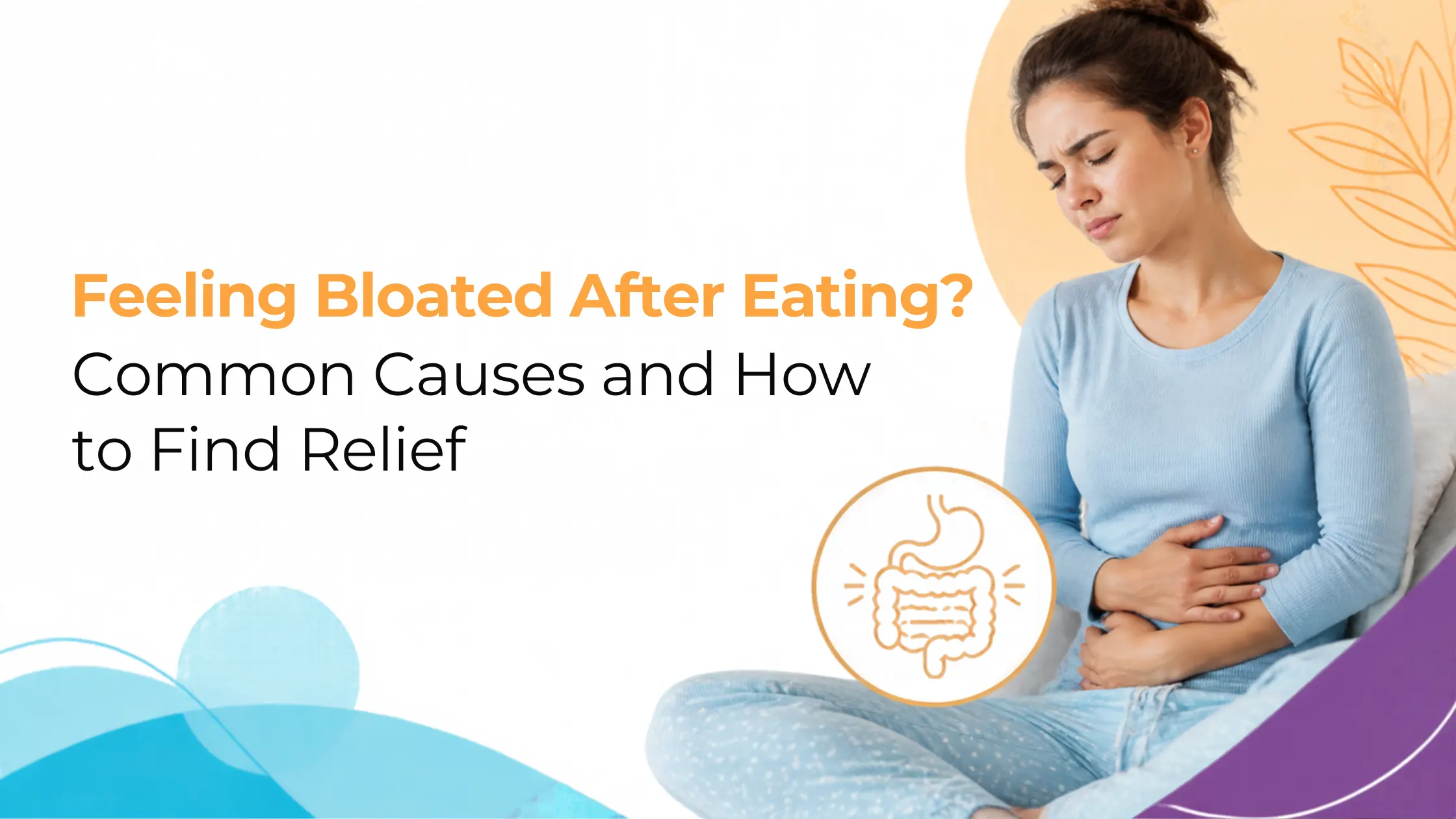
Feeling bloated after eating can happen when gas builds up during digestion, you swallow excess air, or certain foods do not agree with your digestive system. Eating quickly, having large portions, and constipation can also contribute. Occasional bloating is common, but frequent discomfort may need medical attention.
Why does your stomach feel swollen after a meal?
Your stomach may feel swollen after a meal when gas builds up, air is swallowed during eating, or digestion causes temporary fullness. Constipation and certain food sensitivities can also contribute to bloating. Paying attention to when symptoms occur may help you identify possible triggers.
What are the most common causes?
If you often wonder why you get so bloated after eating, several factors may be involved. Meal size, eating habits, constipation, food intolerance, and digestive conditions can all contribute. Look for patterns across several meals rather than assuming one ingredient is responsible.
- Eating quickly: Rushed meals and large bites can mean swallowing extra air, leading to pressure or burping.
- Gas-producing carbohydrates: Gut bacteria break down some carbohydrates and naturally produce gas. Beans, lentils, certain vegetables, and fruit sugars can be triggers.
- Constipation: When stool moves slowly through the digestive tract, gas may become harder to pass. This can contribute to abdominal pressure, heaviness, and swelling.
- Food intolerance: Lactose and other ingredients may cause bloating, cramps, or bowel changes in people who do not tolerate them well.
- Indigestion or IBS: Indigestion can cause upper-abdominal fullness, nausea, and belching. IBS may involve bloating alongside pain, diarrhoea, or constipation.
How can meal size and timing affect bloating?
Certain meals can cause bloating because of their portion size, ingredients, or preparation. Large portions, rich foods, fizzy drinks, and fermentable carbohydrates may contribute to gas or fullness. Eating quickly can also add to the discomfort.
If your stomach feels heavy or bloated after a meal, consider what you ate, how much you ate, and how quickly you finished your meal. Note how long the discomfort lasts and whether similar meals cause the same symptoms.
The timing of bloating can offer useful clues, although it cannot confirm a cause. Discomfort during or shortly after eating may be associated with swallowed air or meal size, while gas from fermentation may develop later. Notice whether symptoms occur after most meals or only after certain foods.
| When it happens | Possible clue | What to notice |
|---|---|---|
| During or just after a meal | Swallowed air or meal size | Burping, fizzy drinks, rushed eating |
| A few hours later | Food intolerance or fermentation | Repeated ingredients |
| With hard stools | Constipation | Bowel movement changes |
| With fullness, pain, or nausea | Indigestion or another issue | Frequency and other symptoms |
Use this as a guide, not a diagnosis. If feeling bloated after eating is a regular concern, a healthcare professional can assess it.
Is it normal to feel this way after eating?
Occasional gas and mild fullness are common, particularly after a large meal. However, bloating that occurs most days, becomes severe, or continues to worsen should not be ignored. Speak with a clinician if the discomfort is persistent or affects your daily activities.
A global survey of 51,425 people in 26 countries found nearly 18% reported bloating weekly over the previous three months. Common does not mean recurring discomfort should be ignored.
What can help ease the discomfort?
If you feel uncomfortable after meals, start with manageable changes rather than eliminating several foods at once. The aim is to find what helps your symptoms without making your diet unnecessarily restrictive.
- Eat slowly: Chew thoroughly and avoid rushing to reduce swallowed air.
- Move gently: A short walk may help gas move through the digestive tract.
- Check fizzy drinks: Reduce carbonated drinks or gum if they seem to worsen pressure.
- Adjust portions: Try moderate servings instead of one very large meal.
- Ease constipation: Drink enough water and increase fibre gradually.
- Ask a pharmacist: They can explain whether simethicone may be appropriate.
If certain foods seem to trigger bloating, avoid eliminating several food groups at once. Track your symptoms and look for recurring patterns before making major dietary changes.
How can you identify your personal triggers?
A food-and-symptom diary can reveal patterns that are easy to miss. For a week or two, note your meals, portions, drinks, symptom timing, bowel movements, stress, and medication changes. Comparing these details may help you understand why symptoms appear on some days but not others.
- Record meals: Include ingredients, sauces, snacks, and drinks.
- Mark the timing: Note whether symptoms start during the meal or later, including how soon bloating begins after eating.
- Describe it: Record pressure, swelling, burping, pain, or bowel changes.
- Look for repeats: See whether the same food or situation comes up more than once.
- Share your notes: Take the pattern to a clinician if symptoms return.
Over time, these notes may help you recognise recurring triggers and explain your symptoms more clearly. If discomfort continues even when your meals vary, share your observations with a healthcare professional.
When should you speak with a doctor?
Arrange a medical review if bloating is frequent, persistent, suddenly changes, or disrupts daily life. Seek prompt medical advice if it comes with unexplained weight loss, blood in your stool, vomiting, fever, or a lump.
Seek urgent help for sudden, severe abdominal pain or vomiting blood. Mention any new medicines or supplements during your appointment, as some can contribute to digestive discomfort. Do not stop prescribed treatment without speaking to your healthcare professional.
FAQs
Why do I get so bloated after eating?
Common reasons include gas, swallowed air, constipation, and food sensitivities. Large portions and rushed eating can make symptoms more noticeable. Ongoing pain or frequent swelling deserves medical advice.
Can drinking water help with bloating?
Water supports normal digestion and may help prevent or ease constipation. However, hydration is only one factor in digestive comfort. If bloating continues despite adequate fluid intake, consider discussing it with a healthcare professional.
Should I lie down after eating?
If you wonder why you feel so bloated after eating at night, lying flat may worsen reflux for some people. Sitting upright can feel more comfortable.
Can stress make bloating worse?
Yes. Stress can affect communication between the gut and brain, making digestive symptoms more noticeable for some people. However, it is not the only possible cause. Persistent or recurring discomfort deserves medical assessment.
Should I stop eating beans and dairy?
Not automatically. These foods provide useful nutrients, although they can trigger symptoms in some people. Track your response and ask a dietitian before making major, long-term restrictions.
Why do I feel full after eating only a little?
Feeling full after a small amount of food is sometimes called early satiety. It can occur with indigestion and other digestive conditions. If this happens regularly, arrange a medical review rather than assuming it is ordinary bloating.
Take a Closer Look at Your Digestive Health
What you eat, how you eat, and your daily routine can all influence how your digestive system feels. Inner Health & Wellness can help you explore the connection between nutrition and gut health, with guidance on making informed food choices and understanding habits that may affect digestion.
Explore the available resources and take a more informed approach to supporting your gut health.